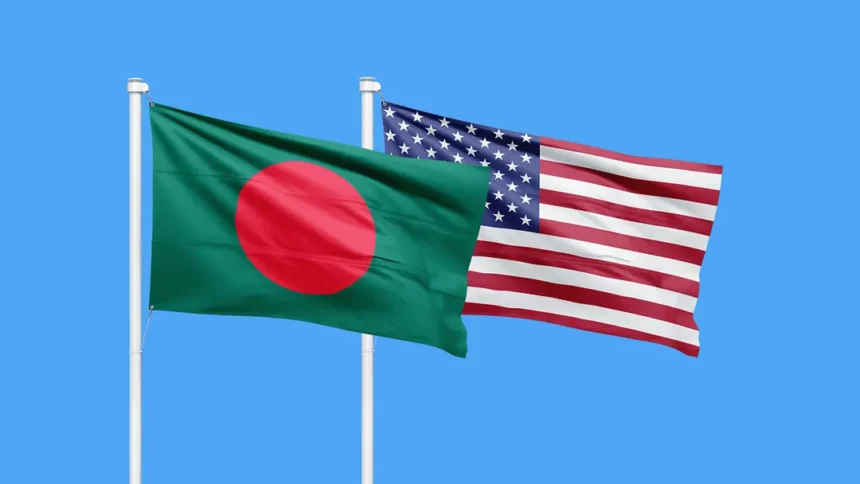
The Trump administration has announced new tariffs of 10% and 12.5% targeting approximately 60 trading partners, including Bangladesh and the European Union. The sweeping measures were officially published in a Federal Register notification and come as a direct response to what Washington terms lax enforcement of prohibitions against goods produced using forced labor.
According to the USTR Federal Register filing, the new policy will cover 99.4% of U.S. imports. However, key exemptions have been granted for essential goods, including oil and gas, fertilizer, and specific foodstuffs, alongside products already hit by national security duties like steel and aluminum.
Scope of the Tariffs and Impact on Bangladesh
U.S. Trade Representative Jamieson Greer defended the decision in a statement, emphasizing that the U.S. has enforced a forced-labor import ban for nearly a century.
“Our trading partners must do the same,” Greer said. “Today’s action will begin to correct what is both a human rights abuse and a distortive trade practice to improve the welfare of workers everywhere.”
-
10% Tariff Tier: Applied to economies that have established or committed to legal frameworks addressing forced labor imports. This tier includes Bangladesh, alongside Argentina, Britain, Cambodia, Canada, India, Indonesia, Malaysia, Mexico, Pakistan, Sri Lanka, and others.
Adjusted / MFN-Synced Rates: For major allies like the European Union, Japan, South Korea, Switzerland, and Taiwan, the total combined tariff is adjusted to 10% or 12.5% net of existing Most-Favored-Nation (MFN) duties.
12.5% Tariff Tier: Imposed on the remaining 38 unexempted economies, notably including China. Washington has repeatedly accused Beijing of utilizing labor camps to detain and exploit Uyghur minorities—allegations that the Chinese government consistently denies.
-
Norway: Foreign Minister Espen Barth Eide stated there was zero basis for the tariffs, pointing out that Norway already maintains strict regulations to block trade involving forced labor.
Australia and Brazil: Both nations labeled the measures entirely “unjustified” and announced plans to actively pursue their removal.
Canada: Canadian Trade Minister Dominic LeBlanc responded to the unilateral duties by noting that Ottawa intends to maintain constructive dialogue with Washington in the coming weeks to resolve outstanding bilateral matters in the mutual interest of citizens.