Bangladesh is witnessing a robust surge in inward remittances as expatriates increase fund transfers ahead of two major upcoming events: the National Parliamentary Election and the holy month of Ramadan.
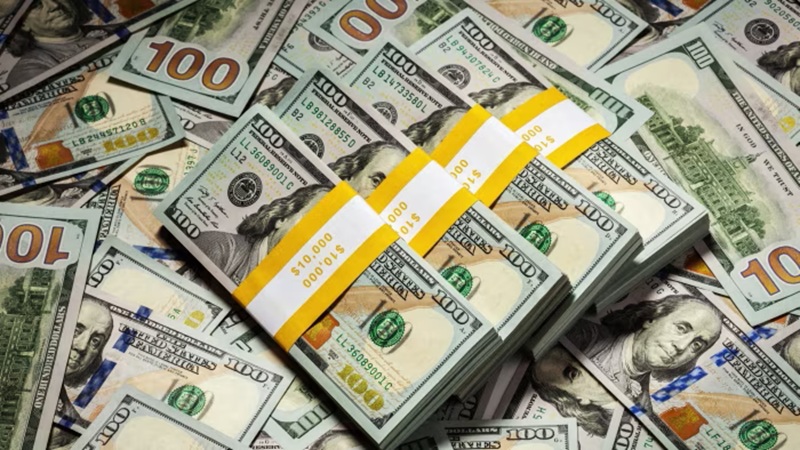
In the first 18 days of January 2026 alone, the country received over $2 billion (approx. $1.86 billion by Jan 17) in remittances. Financial analysts predict that if this momentum continues, it will significantly bolster the country’s foreign exchange reserves and provide much-needed liquidity to the economy.
Drivers of the Inflow
Experts suggest that the dual impact of the upcoming general election and Ramadan traditionally drives higher spending. Expatriates tend to send additional funds to meet the rising cost of living for their families and to support community festivities.
“The trend is exceptionally positive this year,” noted a senior official from Bangladesh Bank. “Stabilized exchange rates and a visible crackdown on illegal Hundi channels have encouraged more migrants to use official banking routes.”
Remittance Performance at a Glance
The fiscal year 2025-26 has shown a remarkable recovery in the external sector.
-
Year-on-Year Growth: Remittance inflows from July to mid-January reached $18.30 billion, marking a 22.2% increase compared to the $14.98 billion received during the same period last year.
-
Monthly Record: December 2025 saw a massive inflow of $3.22 billion, the second-highest monthly total in the country’s history, following the all-time record of $3.29 billion set in March 2025.
Monthly Remittance Flow (Current Fiscal Year): | Month | Amount (in Billion USD) | | :— | :— | | July | $2.47 | | August | $2.42 | | September | $2.68 | | October | $2.56 | | November | $2.88 | | December | $3.22 |
Impact on Forex Reserves
The surge in প্রবাসী আয় (expatriate income) has direct implications for the nation’s reserve stability. As of January 15, 2026, the central bank reported:
-
Gross Reserves: $32.62 Billion
-
Net Reserves (BPM6): $28.03 Billion (IMF Calculation Method)
Structural Shifts and Stabilization
Banking insiders credit the ongoing economic reforms since August 2024 for this upward trajectory. A significant reduction in money laundering activities has weakened the parallel “black market” for dollars. With the exchange rate remaining stable for several months, the risk of currency devaluation has lessened, further incentivizing legal transfers.
As the election draws nearer, the government and central bank remain optimistic that the external sector will provide the necessary buffer to maintain macroeconomic stability during the transition period.