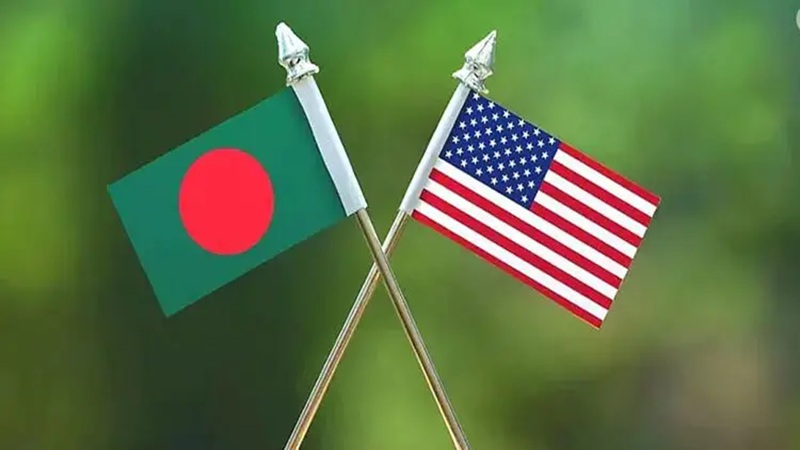
A new era in bilateral trade between Bangladesh and the United States is set to begin on February 9, 2026, as both nations prepare to sign a comprehensive agreement aimed at reducing “reciprocal tariffs” and expanding market access.
The deal is expected to provide duty-free access for Bangladeshi garments made with American cotton and outlines major procurement commitments from Dhaka, including the purchase of Boeing aircraft and increased energy imports.
Commerce Secretary Mahbubur Rahman confirmed on Sunday (February 1) that a draft of the agreement and a summary seeking final approval for the February 9 signing have been processed. “Once approved, we will be able to move forward with the final decision,” he told reporters at the Secretariat.
Easing the Tariff Burden
The negotiations come in response to “reciprocal tariffs” initially announced by the U.S. administration, which threatened rates as high as 35% to 37% on Bangladeshi goods.
Following three rounds of intensive talks in Washington, the tariff was lowered to 20% on July 31, 2025. The upcoming agreement aims to potentially reduce this figure further. While the Secretary did not confirm a specific new rate, he noted that Bangladesh’s reciprocal rate currently stands at 20%, and there is hope for a further reduction during the February 9 summit.
Key Components of the Trade Package
To secure these benefits, Bangladesh has committed to a series of strategic imports and policy shifts:
-
Aviation: The government plans to purchase 25 Boeing aircraft over the next few years, a deal estimated to cost approximately Tk 50,000 crore ($4.2 billion).
-
Textiles: In a “win-win” move, garments produced in Bangladesh using U.S.-sourced cotton are expected to receive duty-free entry into the American market.
-
Energy & Agriculture: Bangladesh will increase imports of LNG, wheat (700,000 tons annually), soybeans, and edible oil from the U.S. to narrow the current $6 billion trade deficit.
-
Policy Concessions: Dhaka will likely align more closely with U.S. standards on intellectual property rights (IPR) and e-commerce regulations.
Global Trade Strategy: Beyond the US
Secretary Rahman emphasized that while the U.S. remains Bangladesh’s largest single export market, the government is aggressively pursuing Free Trade Agreements (FTAs) with other major economies to prepare for the country’s graduation from Least Developed Country (LDC) status in 2026.
| Partner Country | Agreement Status | Scheduled/Actual Date |
| Japan | Economic Partnership Agreement (EPA) | February 6, 2026 |
| USA | Reciprocal Trade & Tariff Deal | February 9, 2026 |
| South Korea | FTA Negotiations (2nd Round) | Target: Late 2026 |
| European Union | FTA Proposal | Negotiations starting soon |
Addressing concerns regarding India’s recent FTA with the EU, the Secretary remained confident. “India is a major player in basic textiles and we source raw materials from them. They are more of a complementary partner than a direct competitor to our 45-year-old RMG infrastructure,” he stated.
Economic Outlook
Despite a slight global dip in trade affecting exports (a 1.6% contraction for Bangladesh vs. a 3.7% global average), the Ministry of Commerce expressed optimism. The surge in remittance and the stability of the dollar exchange rate are seen as positive indicators heading into the Ramadan period.