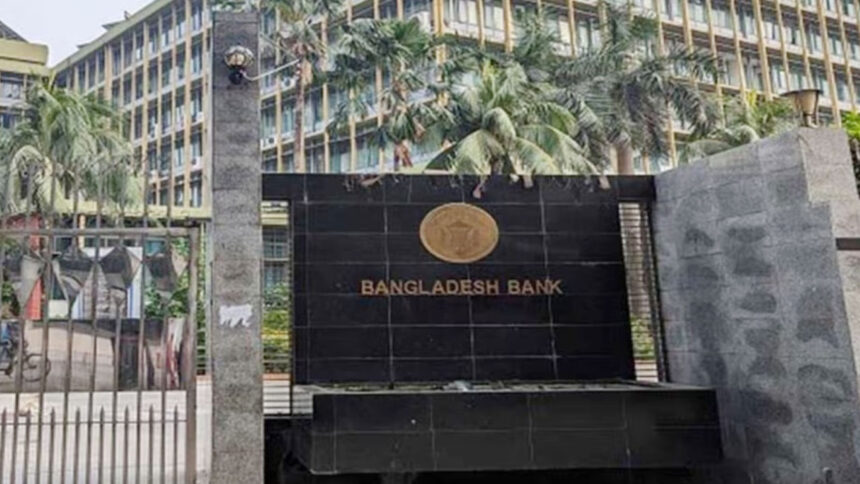
On the eve of the national elections, Bangladesh Bank is set to announce its Monetary Policy Statement (MPS) for the second half of the 2025–26 fiscal year (January–June). Governor Dr. Ahsan H. Mansur will officially unveil the policy on Monday at 11:00 AM.
Arif Hossain Khan, Executive Director and spokesperson for the central bank, confirmed the schedule on Sunday (February 8, 2026).
A “Routine” Policy with Tight Controls
Despite the upcoming national election scheduled for February 12, insiders suggest this will be a “pro-forma” or “routine” policy. With inflation remaining stubbornly high, the central bank is expected to maintain its hawkish stance, leaving key interest rates and private sector credit targets unchanged.
Key Targets and Economic Indicators
The primary goal of this MPS remains the containment of inflation. While the government’s budget targets a 7.5% inflation rate, the central bank is aiming for a more ambitious sub-7% figure.
| Indicator | Current Status / Target |
| Policy Rate | 10% (Unchanged since Oct 2024) |
| Inflation (Dec 2025) | 8.49% |
| Private Sector Credit Growth | 8% (Target through June) |
| GDP Growth Target | 6.5% |
| USD Exchange Rate | Stable at Tk 122 |
Inflation Challenges and Market Dynamics
Following the fall of the previous government in August 2024, the policy rate was hiked three times to curb double-digit inflation, which peaked at 11.38%. Although it dipped subsequently, a recent uptick to 8.49% in December has kept policymakers cautious.
A central bank study highlighted that high commodity prices are driven more by market mismanagement and structural shifts in agriculture (such as farmers switching from paddy to more profitable crops) rather than just monetary factors.
Investment and Credit Outlook
-
Private Sector Growth: Investment has slowed to 6.58% as of November due to political uncertainty. However, the central bank anticipates a post-election surge, maintaining the credit growth target at 8%.
-
Liquidity: The central bank injected roughly Tk 47,000 crore into the market by purchasing Dollars, pushing broad money growth to 8.92%.
-
Stability: With a stable exchange rate and rising remittance inflows through legal channels, the central bank remains optimistic about achieving overall economic stability after the new government takes office.