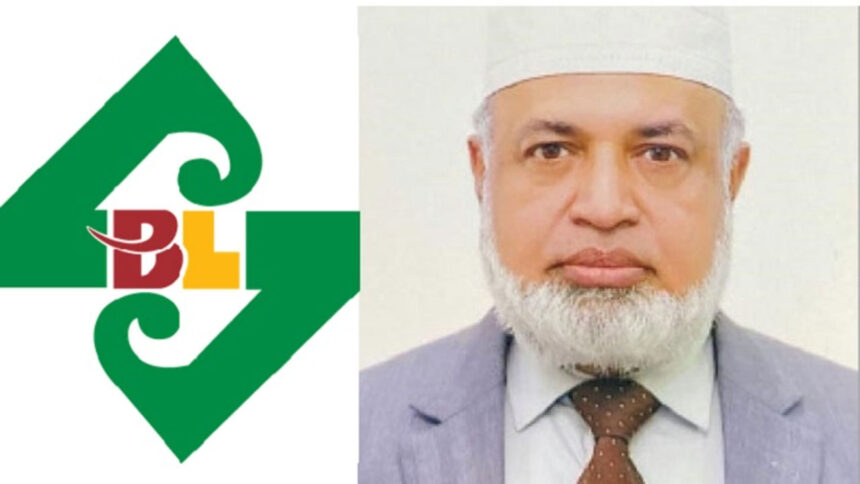
In a major blow to the leadership of Standard Bank PLC, Bangladesh Bank has officially rejected the reappointment of its Managing Director (MD) and CEO, Md. Habibur Rahman. The decision follows a series of allegations involving irregular loans to “shell” companies and systemic mismanagement.
The central bank conveyed its decision in a formal letter to the Chairman of Standard Bank, stating that upon comprehensive review, Rahman’s reappointment could not be approved. The bank has been directed to propose a new, suitable candidate for the position.
Allegations of Corruption and Group Influence
The rejection comes amid a deepening crisis within Standard Bank. Central bank inspections and internal reports have highlighted several red flags:
-
S. Alam Group Connection: Recent inspection reports from Bangladesh Bank reveal that during his previous tenure at Union Bank, Rahman was directly involved in approving massive, irregular loans in favor of the S. Alam Group.
-
Loan Forgery: Allegations suggest that under his leadership, substantial funds were laundered through loans issued to multiple fake or “paper” institutions.
-
Internal Discord: The decision to seek his reappointment had already polarized Standard Bank’s 16-member Board of Directors. One faction within the board fiercely opposed him, citing his controversial track record at Union Bank.
A Career Under Scrutiny
Md. Habibur Rahman joined Standard Bank as MD and CEO in February 2023. His career spans over 33 years, beginning as a Probationary Officer at Islami Bank Bangladesh PLC in 1989.
Before his stint at Standard Bank, he held high-ranking positions across the industry:
-
Additional MD: Union Bank and Southeast Bank.
-
Deputy MD: NCC Bank and Jamuna Bank.
Despite his extensive experience and an MA in Economics from Chittagong University, the gravity of the recent findings—specifically regarding rising default loans and administrative irregularities—rendered him “unfit” for a second term in the eyes of the regulator.
The Road Ahead for Standard Bank
The central bank’s intervention signals a zero-tolerance policy toward top-tier executives linked to the country’s recent financial scandals. Standard Bank is now under pressure to find a leadership figure capable of stabilizing its internal governance and addressing its mounting Non-Performing Loans (NPLs).