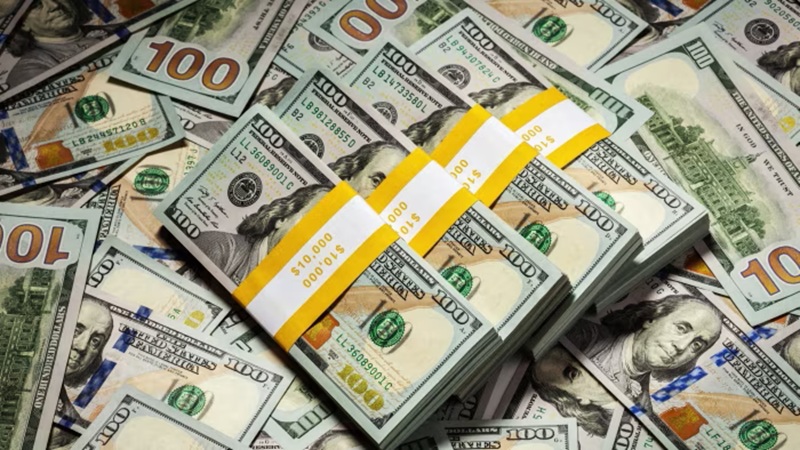
In a strategic move to prevent a sharp decline in the value of the US dollar and maintain market equilibrium, Bangladesh Bank (BB) has stepped up its purchase of greenbacks from commercial banks. The intervention comes as a massive surge in inward remittances has created a significant dollar surplus within the domestic banking system.
On Thursday, February 5, 2026, the central bank purchased $196 million from 16 commercial banks through a Multiple Price Auction (MPA). Both the exchange rate and the cut-off rate for this transaction were set at 122.30 BDT per USD.
This recent activity brings the total dollar purchases by the central bank in the current 2025-26 fiscal year to a staggering $4.52 billion. This marks a complete reversal of the trend seen over the last three years, where the central bank was forced to sell reserves to meet market demand.
According to data from Bangladesh Bank, the regulatory body sold nearly $34 billion between 2021 and 2024 to curb volatility:
-
2021-22: $7.6 billion sold
-
2022-23: $13.5 billion sold
-
2023-24: $12.79 billion sold
During that same three-year period, the bank had purchased only about $1 billion. The current shift highlights a newfound stability in the country’s foreign exchange market.
The surplus is largely attributed to a crackdown on money laundering and illegal “Hundi” channels following the change in government. This has incentivized expatriates to use formal banking channels, leading to a record-breaking influx of foreign currency.
Key highlights of the remittance surge include:
-
January 2026 Inflow: $3.17 billion (a 45.10% increase compared to January 2025).
-
July–January Total: $19.44 billion, up 21.8% from $15.96 billion in the same period last year.
The continuous purchase of dollars has significantly bolstered the nation’s primary economic safety net. As of February 2, 2026:
-
Gross Reserves: $33.25 billion.
-
BPM-6 (IMF standard) Reserves: $28.75 billion.
“The central bank’s intervention is essential to keep the exchange rate stable. Without these purchases, the dollar’s value could drop significantly due to oversupply, which might negatively impact export earnings and discourage further remittance,” noted a senior official from the bank.
Market experts believe that as long as the exchange rate remains stable and illegal channels are kept in check, the trend of high remittance and growing reserves is likely to continue, providing the economy with much-needed stability.