In a major move to tackle the ongoing energy crisis in the industrial belts of Dhaka and its surrounding areas, the government has initiated a plan to transport 30 million cubic feet of natural gas per day (mmcfd) from the island district of Bhola in the form of Liquefied Natural Gas (LNG).
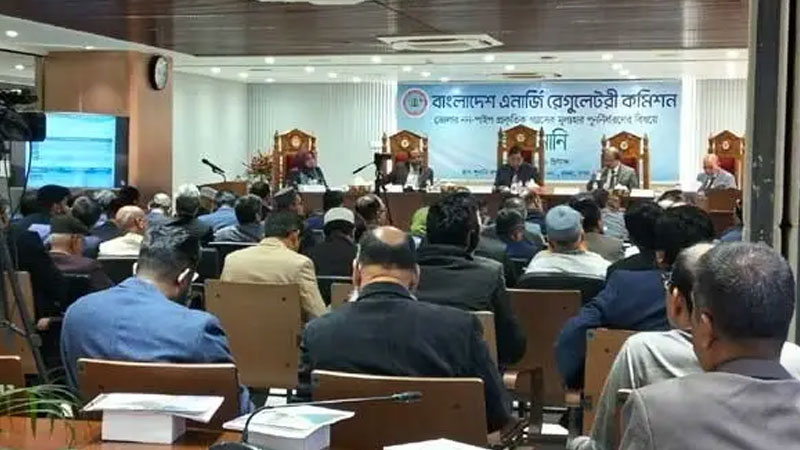
To facilitate this, the Bangladesh Energy Regulatory Commission (BERC) held a public hearing on Tuesday (January 27, 2026) at its conference room in Ramna, Dhaka, to finalize the pricing for this “non-pipe” gas.
Addressing the Industrial Gas Crunch
Currently, industrial units under Titas Gas Transmission and Distribution PLC in Dhaka and nearby regions are struggling with severe gas shortages, hindering production. Since Bhola is not connected to the national gas grid via pipeline, the government plans to transport surplus gas from Bhola’s fields via river routes.
Selected private entrepreneurs will be responsible for:
-
Compressing/Liquefying the gas in Bhola.
-
Transporting it via specialized vessels/barges.
-
Regasifying and supplying it directly to industrial consumers.
Surplus at Shahbazpur Field
According to DSE sources and official data, Bhola has three discovered gas fields. Currently, only the Shahbazpur gas field is in production, with a daily capacity of 120 mmcfd.
-
Local Demand: Approximately 90 mmcfd (used for local power plants, industries, and residential connections).
-
Surplus: 30 mmcfd, which remains unutilized due to the lack of a pipeline.
Pricing and Hearing Details
During the hearing, it was noted that BERC has proposed an upper price limit of BDT 47.50 per cubic meter for this gas. The final price will be determined based on the feedback from stakeholders, including businessmen and energy experts.
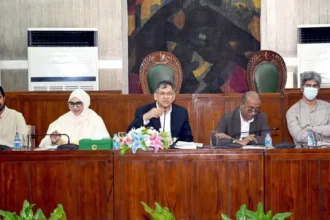
The hearing was presided over by BERC Chairman Jalal Ahmed. Senior officials from the Energy and Mineral Resources Division, representatives from Petrobangla, Titas Gas, and various business chambers were also in attendance to discuss the technical and economic viability of the project.
“This initiative is a critical bridge until a permanent pipeline can be constructed, ensuring our industries remain operational,” a BERC official noted during the session.