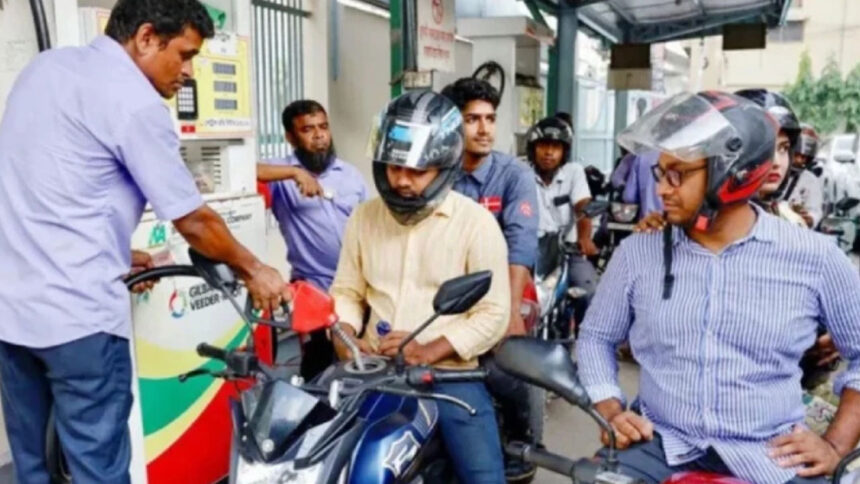
The Bangladesh Petroleum Corporation (BPC) has announced emergency fuel rationing measures for consumers across the country. The decision, effective immediately, comes in response to supply chain disruptions caused by the escalating conflict between Iran and Israel and a surge in “panic buying” among the public.
In a press release issued on Friday, March 6, the BPC outlined specific limits on how much fuel different types of vehicles can purchase at filling stations to manage the country’s reserves effectively.
New Fuel Purchase Limits
To prevent unauthorized hoarding and ensure equitable distribution, the following limits have been set:
| Vehicle Type | Fuel Type | Maximum Limit |
| Motorcycles | Petrol/Octane | 2 Liters |
| Private Cars | Petrol/Octane | 10 Liters |
| Jeeps/Microbuses | Petrol/Octane | 20–25 Liters |
| Pickups/Local Buses | Diesel | 70–80 Liters |
| Long-haul Trucks/Buses | Diesel | 200–220 Liters |
Addressing the “Confidence Crisis”
The BPC noted that while 95% of the country’s fuel is imported, regular shipments are still arriving as per the scheduled timeline. However, negative reports on social media regarding stock levels have led to an artificial “confidence crisis,” prompting both dealers and consumers to stockpile fuel unnecessarily.
“To reduce public fear, we wish to clarify that import activities are normal, and fuel is being transported to depots nationwide via rail wagons and tankers. We expect to build a sufficient buffer stock shortly,” the BPC stated.
Mandatory Compliance for Consumers and Dealers
The government has introduced five strict conditions for the sale and collection of fuel:
-
Purchase Receipts: Filling stations must provide receipts specifying the type, quantity, and price of the fuel.
-
Verification: Consumers must present the original copy of their previous purchase receipt/bill to buy fuel again.
-
Dealer Reporting: Filling stations must report their current stock and sales data to their respective depots before lifting new supplies.
-
Strict Quotas: Marketing companies are prohibited from supplying more than the allocated quota to any dealer.
-
Price Control: The BPC reiterated that fuel prices are set by the government at the start of each month. Charging extra due to the “crisis” is a legal offense, and no decision has been made to increase prices at this time.
The government has urged all citizens and business entities to cooperate with these temporary measures to maintain stability in the national energy sector during this global period of uncertainty.