In a major escalation of Middle Eastern tensions, Israel launched a series of “preemptive” missile strikes against the Iranian capital, Tehran, on Saturday. The operation, confirmed by Israeli Defense Minister Israel Katz, has plunged the region into a state of high alert.
Key Developments in Tehran
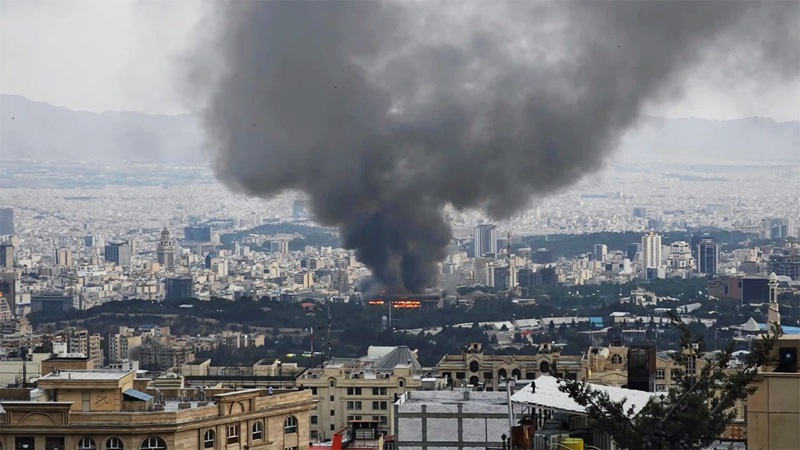
Witnesses in the city reported several loud explosions, followed by thick plumes of black smoke rising from central districts. While the Iranian government has yet to issue a formal comprehensive statement, state television confirmed that “explosions occurred in Tehran,” though it provided few details on the cause or extent of the damage.
According to reports from The Washington Post and The Associated Press, citing military sources:
-
Targeting the Heart of Power: At least one missile reportedly struck near the offices of Iran’s Supreme Leader, Ayatollah Ali Khamenei.
-
Central Impact: Explosions were also noted in the vicinity of University Street and the Jomhouri district.
-
Casualties: There are no immediate official reports regarding casualties, but social media footage shows significant fires in the city’s central areas.
Israel’s Response and Emergency Measures
Defense Minister Israel Katz announced the strikes as a necessary move to “remove immediate threats to the State of Israel.” Following the announcement, Katz declared a nationwide state of emergency.
The Israel Defense Forces (IDF) have activated warning sirens across Israel. In a clarifying statement, the IDF noted:
“These sirens were sounded as a precautionary measure to prepare the public for the possibility of retaliatory missile fire directed toward the State of Israel.”
Geopolitical Context
The strikes follow weeks of mounting tension and a significant buildup of U.S. and Israeli military assets in the region. Analysts suggest the “preemptive” nature of the attack points to intelligence regarding an imminent Iranian move.
The U.S. government has been closely monitoring the situation, with reports indicating that the operation may have been coordinated with Washington as part of a broader strategy to curb Tehran’s nuclear and ballistic missile capabilities.
Current Status
-
Airspace Closures: Both Israel and Iran have reportedly restricted or closed their respective airspaces to civilian traffic.
-
State of Readiness: Israel has moved several hospitals underground and urged citizens to remain near bomb shelters.
-
International Reaction: Global markets are reacting to the news, with oil prices expected to see high volatility in the coming hours.
Source: The Washington Post, AP, Reuters