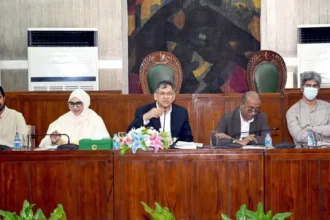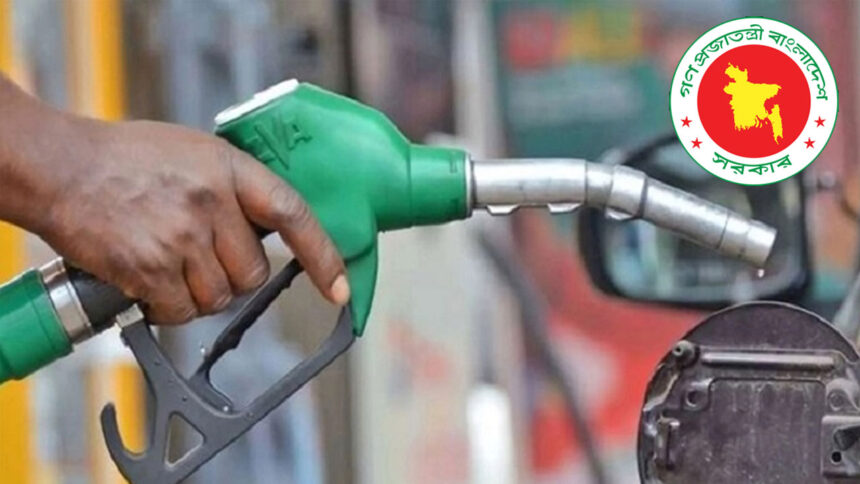
The Policy Research Institute of Bangladesh (PRI) has issued a stark warning regarding the country’s energy security, revealing that current fuel reserves are sufficient to meet only three months of national demand. This “critical constraint” was highlighted during a seminar titled “Macroeconomic Insights: Changing Global Landscape for Trade and Growth,” held on Thursday at the PRI office.
Addressing a gathering of top policymakers, economists, and diplomats, PRI Chairman Dr. Zaidi Sattar emphasized that Bangladesh’s energy vulnerability could trigger a domino effect across the economy.
Energy and Global Headwinds
Dr. Sattar noted that the world is undergoing a “fundamental transformation” where the rules-based international economic order established after World War II is weakening. He pointed to the ongoing conflict in the Middle East and instability in the Strait of Hormuz as primary drivers of global economic volatility.
“The energy reserve of only three months is a serious limitation. If fuel, fertilizer, and food prices rise simultaneously, it will exert massive pressure on our overall economy,” Dr. Sattar warned.
He further observed that the International Monetary Fund (IMF) has already downgraded global growth forecasts, with trade growth slowing to 2–3%, a trend that Bangladesh cannot escape.
Fragile Economic Recovery
Dr. Ashikur Rahman, Principal Economist at PRI, presented the keynote paper, describing the period up to February 2026 as a “fragile recovery.” While some indicators showed improvement, others signaled deep-seated structural issues:
-
Forex Reserves: Rose from $18 billion in late 2024 to approximately $30 billion by March 2026.
-
Inflation: Moderated slightly to the 8–9% range.
-
GDP Growth: Plummeted to just 3% in the second quarter of FY2026—the lowest since the pandemic.
-
Banking Sector: Remained a major pain point, with default loans (NPLs) hitting 30%, causing private sector credit growth to stifle at 6%.
The Import-Export Imbalance
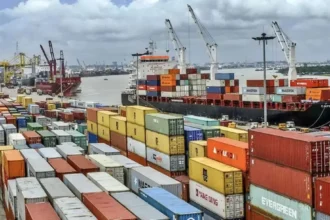
The seminar highlighted a concerning trend in trade. In FY2026, exports declined by approximately 5%, while imports rose by 5%. While the rise in imports suggests a partial recovery in economic activity, PRI experts argued that a 7–8% import growth is essential to sustain the industrial production and investment required for a 7% GDP growth rate.
The Path Forward
Former Chairman of the National Board of Revenue (NBR), Dr. Muhammad Abdul Majid, remarked during the panel discussion that many of the country’s economic challenges are “self-inflicted” and required “courageous, home-grown reforms.”
Guest of honor Mahbubur Rahman, President of the International Chamber of Commerce (ICC) Bangladesh, added that the nation is at a “critical economic junction” where enhancing competitiveness and accelerating structural reforms are no longer optional.
The seminar concluded that while the immediate crisis has been managed through IMF programs and external adjustments, long-term stability hinges on addressing the energy deficit, fixing the banking sector, and improving revenue collection.