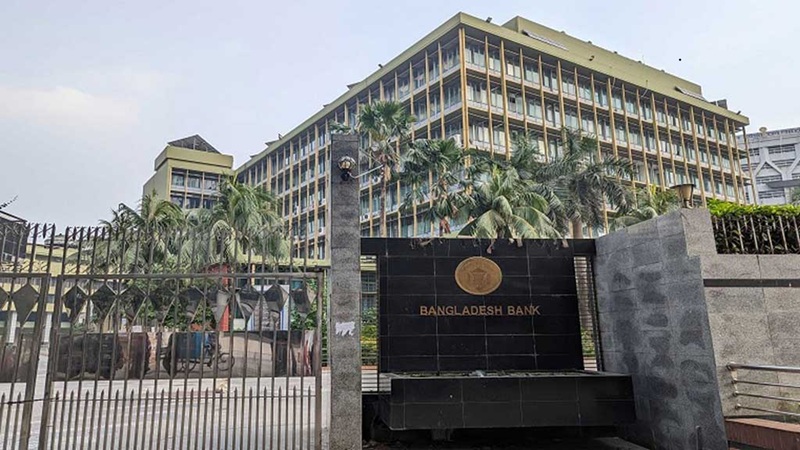
In a major move to stimulate industrial growth and make long-term credit more accessible, Bangladesh Bank has significantly restructured its Long-Term Financing Facility (BB-LTFF). The central bank has slashed interest rates and raised loan limits to make long-term financing more attractive and affordable for businesses.
The central bank issued a circular on Thursday (April 30), detailing the changes to the managing directors and CEOs of scheduled banks. These new regulations are set to take effect from May 1, 2026.
Tiered Interest Rates Based on Bank Performance
Under the new policy, the interest rate at which participating financial institutions (PFIs) receive funds from the central bank will be determined by their CAMELS rating. This performance-based approach offers lower rates to stronger banks:
For end-users (entrepreneurs), banks can set the final interest rate by considering their cost of funds and operational expenses. However, the circular mandates that the interest rate charged to customers cannot exceed 2% to 3% above the bank’s cost of funds.
Increased Loan Ceilings
To cater to large-scale industrial projects, the central bank has substantially increased the borrowing limits:
-
Single Borrower: A customer can now borrow up to US$10 million through a single bank.
-
Syndicated Financing: For large projects involving multiple lenders, the limit has been set at US$20 million.
Shift from SOFR to Fixed Rates
The new policy marks a departure from the previous circular issued on July 16, 2023, which determined interest rates based on the Secured Overnight Financing Rate (SOFR). By moving to a fixed-rate structure, the central bank aims to make borrowing costs more predictable and transparent for investors.
“These changes have been introduced to make the fund more effective and attractive in alignment with current market demand and the prevailing financial situation,” the central bank stated.
The updated policy will apply to both new loans and the renewal of existing facilities. Industry experts believe this move will reduce the financial burden on entrepreneurs, encouraging capital machinery imports and long-term industrial expansion in Bangladesh.