As the world celebrates c Bangladesh’s tourism sector is at a critical juncture, facing significant challenges that overshadow its vast, untapped potential. The UNWTO’s focus on ‘Tourism for Sustainable Development’ this year underscores the imperative for Bangladesh to address systemic issues that have historically held back the industry.
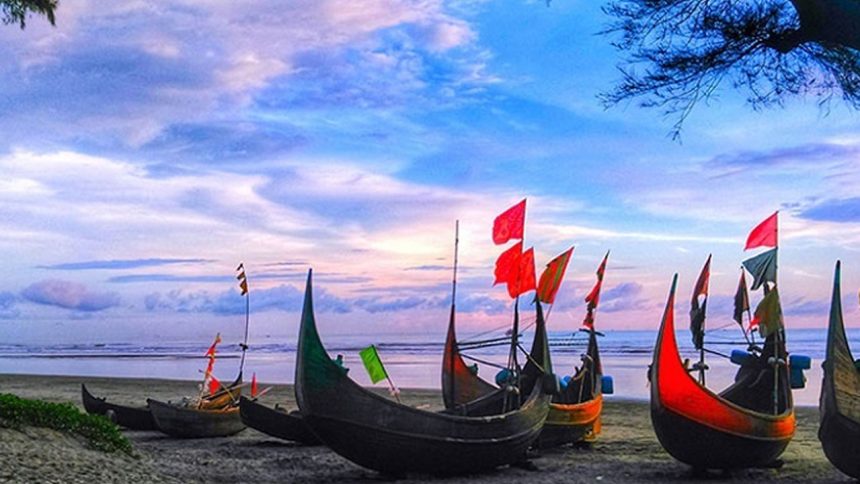
Despite its unique attractions, including the Sundarbans (the world’s largest mangrove forest) and Cox’s Bazar (the world’s longest natural sea beach), Bangladesh consistently lags behind its South Asian peers in tourism development.
Major Challenges Restricting Growth
The primary obstacles hindering Bangladesh’s tourism growth are multifaceted and systemic:
- Poor Global Standing: The World Economic Forum’s latest Travel and Tourism Development Index places Bangladesh at a dismal 109th out of 119 countries, making it the lowest-ranked nation in South Asia. This highlights a critical lack of competitiveness.
- Infrastructure and Connectivity: Inadequate infrastructure, including subpar road and rail links to major tourist spots, a lack of quality accommodation outside major cities, and inefficient visa processing, severely deter international visitors.
- Political Instability and Safety Concerns: Frequent political unrest, protests, and security issues in key regions like the Chittagong Hill Tracts create a perception of risk, discouraging both domestic and foreign tourists. Experts note that the level of security tourists expect is often absent.
- High Operational Costs and Poor Service: The hospitality sector faces prohibitively high import duties on construction materials and luxury goods, driving up operational costs. Consequently, services are often expensive despite being of low quality compared to regional competitors, alienating potential repeat visitors.
- Lack of Diversity and Marketing: The country has an over-reliance on beach and hill station tourism and an absence of a comprehensive national strategy to diversify attractions (e.g., urban, cultural, or adventure tourism) and market them effectively on the global stage.
Opportunities for Sustainable Development
Experts agree that with focused intervention, the tourism sector can become a significant driver of economic growth, currently contributing only about 3% of the GDP, far lower than the global average of 10%. The opportunities lie in embracing sustainable and strategic development:
- Eco-Tourism and Cultural Heritage: Bangladesh is perfectly poised for eco-tourism around natural assets like the Sundarbans and for cultural tourism centered on its rich archaeological sites, vibrant festivals, and unique ethnic cultures. Development must prioritize environmental preservation (e.g., banning single-use plastics and managing construction) to ensure sustainability.
- Strategic Master Plan Implementation: The government is working to finalize a Tourism Master Plan to develop and manage a range of tourist spots. Successful implementation, supported by coordinated efforts from multiple ministries, is vital to attract investment and deliver tangible improvements.
- Public-Private Partnerships (PPPs): Attracting foreign and local private investment is key to upgrading facilities and services. Addressing security concerns and simplifying regulations are crucial to making PPPs viable for large-scale projects like the tourism parks in Cox’s Bazar.
- Skill Development: Investing in quality hospitality and tourism training for the local workforce is essential to close the skills gap and reduce dependency on expensive foreign labor, thereby boosting local employment and service quality.
As World Tourism Day highlights the transformative power of the industry, stakeholders in Bangladesh stress that political stability, infrastructural overhaul, and a steadfast commitment to sustainability are non-negotiable for unlocking the nation’s immense tourism potential.