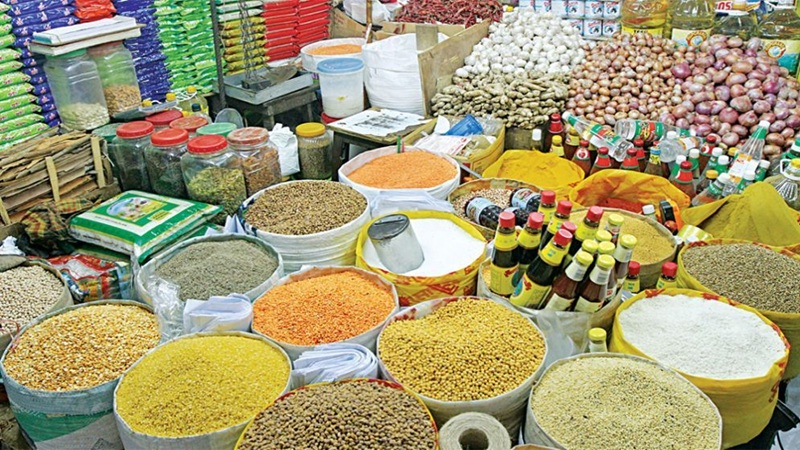
Prices of essential goods and services in Dhaka metropolitan area increased by around 11 percent in 2022, according to estimates by the Consumers Association of Bangladesh (CAB). The consumer rights body described the year as particularly difficult for ordinary citizens due to rising living costs.
CAB collected price data from 11 markets across the capital, covering 141 food items, 49 non-food items, and 25 types of services. The organization typically publishes an annual report on the cost of living and commodity prices, although it did not release a report for 2021.
In its 2022 report, CAB introduced a revised methodology for calculating inflation. Prices were compared against January 2022 as the base period, with monthly changes measured against that benchmark to determine overall trends. The report presents an average estimate of price increases throughout the year.
According to the findings, the overall average price of goods and services rose slightly above 11 percent. Food prices increased by around 10 percent, while non-food items saw a sharper rise of 12.32 percent.
The report also highlighted the impact of inflation on low-income groups. CAB noted that the inflationary pressure on lower-income households was somewhat lower than that experienced by the general population, standing at 9.13 percent.
Despite this relatively lower rate, the organization emphasized that 2022 was far from comfortable for consumers, as rising prices continued to strain household budgets across the city.