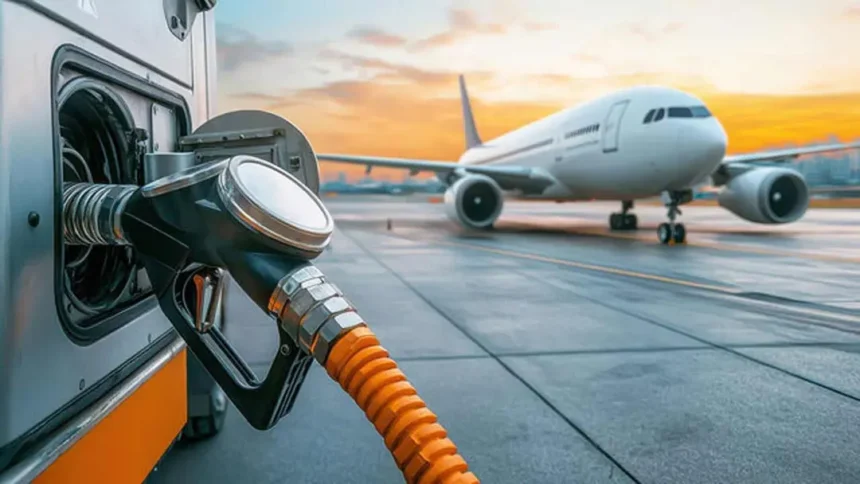
In a strategic move to stabilize domestic energy prices against a turbulent global oil market, the Indian government, led by Prime Minister Narendra Modi, has announced a significant reduction in excise duties on petrol and diesel.
The decision comes at a time when international crude prices are surging due to geopolitical tensions, yet the Indian government has opted to absorb the financial shock rather than passing the burden onto the public.
Deep Cuts in Excise Duty
According to the latest directive, the central excise duty on both petrol and diesel has been reduced by ₹10 per liter. This brings the specific duty structure to the following levels:
-
Petrol: The duty has been slashed from ₹13 to ₹3 per liter.
-
Diesel: The duty has been effectively reduced to zero.
While these cuts are substantial, experts suggest the primary beneficiaries may be Oil Marketing Companies (OMCs) rather than the end consumer. By lowering the tax, the government is helping these companies offset the massive losses they have incurred by maintaining steady pump prices despite rising import costs.
Balancing Inflation and Losses
Union Petroleum Minister Hardeep Singh Puri explained that the government faced two distinct paths in light of the changing global landscape: raising fuel prices in line with other nations or accepting a massive revenue loss to protect citizens from inflation.
“The Modi government chose the second path,” Minister Puri stated, emphasizing the priority to shield the domestic economy from the ripple effects of global price hikes.
Geopolitical Shifts and Supply Security
The decision is framed against a backdrop of severe regional instability. Following the escalations between Iran, Israel, and the U.S. on February 28, the Strait of Hormuz—a vital artery for India’s oil imports from Saudi Arabia and the UAE—was briefly obstructed.
While Iran has recently begun allowing specific vessels, including Indian tankers, to transit the strait, the situation remains delicate. Despite these concerns, the Ministry of Petroleum has moved to reassure the nation:
-
Strategic Reserves: India currently holds enough crude oil reserves to meet domestic demand for 60 days.
-
LPG Security: Approximately 800,000 metric tons of gas have been secured for import from the U.S. and Russia, ensuring no shortage for the next month.
-
Diversification: The government is actively working to ensure that even a major global crisis will not disrupt the country’s energy supply chain.
Impact on the Treasury
While this move prevents a spike in transport and commodity costs, it will result in a significant loss of revenue for the national exchequer. However, officials believe that maintaining price stability is crucial for sustaining economic growth during this period of heightened geopolitical risk.