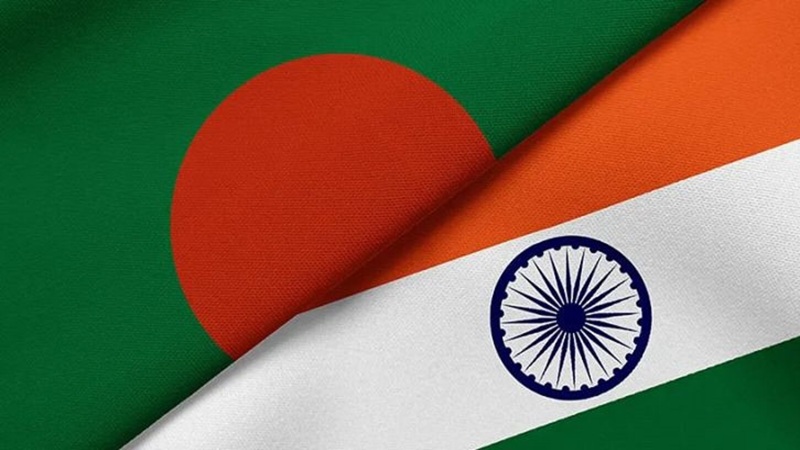
In a significant shift in regional financial diplomacy, India has sharply reduced its development assistance to Bangladesh in the Union Budget for the 2026-27 fiscal year. Finance Minister Nirmala Sitharaman, while presenting the budget on Sunday (February 1), proposed an allocation of Rs 60 crore for Bangladesh—a 50% drop from the Rs 120 crore allocated in the previous fiscal year.
The reduction comes amid what analysts describe as “frosty” bilateral relations following political transitions in Dhaka. Reports indicate that while Rs 120 crore was initially earmarked for the 2025-26 fiscal year, the Revised Estimates (RE) show that only Rs 34.48 crore was actually utilized.
Neighborhood First: A Mixed Bag for Neighbors
Despite the cut for Bangladesh, the Indian Ministry of External Affairs (MEA) saw its overall budget for foreign aid increase to Rs 22,118.97 crore, up from Rs 20,516.61 crore. Under India’s “Neighborhood First” policy, several other strategic partners saw substantial increases in financial support.
| Recipient Country | 2026-27 Allocation (INR) | Change from Previous Year |
| Bhutan | Rs 2,288.55 Crore | Significant Increase |
| Nepal | Rs 800 Crore | Increase of Rs 100 Crore |
| Maldives | Rs 550 Crore | Slight Decrease (from RE) |
| Sri Lanka | Rs 400 Crore | Increase of Rs 100 Crore |
| Myanmar | Rs 300 Crore | Sustained Support |
| Afghanistan | Rs 150 Crore | 300% Increase |
| Bangladesh | Rs 60 Crore | 50% Decrease |
Strategic Realignments
The budget reflects India’s evolving geopolitical priorities:
-
Bhutan remains the largest beneficiary, receiving nearly 40% of the total aid to neighboring countries, underscoring its role as India’s closest strategic partner.
-
Afghanistan’s aid tripled, rising from Rs 50 crore to Rs 150 crore, as India continues its humanitarian engagement.
-
Mongolia saw a five-fold increase to Rs 25 crore, while Mauritius received Rs 550 crore.
Deteriorating Ties and Security Concerns
Indian media reports, including those from ANI and NDTV, suggest that the aid cut for Bangladesh is a reflection of growing diplomatic friction. New Delhi has repeatedly raised concerns over the safety of minority communities in Bangladesh and has observed a shift in Dhaka’s foreign policy toward closer ties with Pakistan following the ouster of the former administration in 2024.
Additionally, in a notable departure from previous years, the 2026-27 budget made no allocation for the Chabahar Port project in Iran, which had previously received Rs 400 crore in revised estimates. This shift is being linked to increased international pressure and changing trade dynamics under the current U.S. administration.