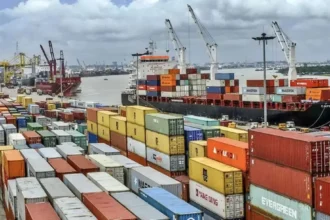
Bangladesh is moving forward with plans to hand over the operations of three major container terminals—New Mooring Container Terminal (NCT) and Laldia Char Terminal in Chittagong, and the Pangaon Inland Container Terminal (ICT) near Dhaka—to foreign operators by December, according to Mohammad Yusuf, Senior Secretary of the Ministry of Shipping.
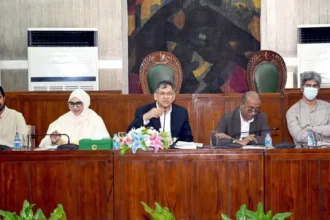
The announcement was made at a seminar titled “Investment Prospects in the Seafaring Ship Industry,” organized by the Economic Reporters Forum (ERF) in Purana Paltan, Dhaka, on Sunday.
The initiative to engage foreign operators is being framed as a strategic move to boost the efficiency and capacity of Bangladesh’s port sector.
Senior Secretary Yusuf detailed the timeline, noting that while the aim is a December handover, there might be a slight delay for all three facilities. “The handover of the Pangaon terminal will take some time,” he stated, adding that the transfer of the New Mooring Container Terminal (NCT), which was originally scheduled for October, will also be slightly postponed.
“Handing over the operation of Chittagong port terminals to a foreign entity is a strategic and geographical matter,” the Shipping Secretary said. He expressed confidence that this move will not create major problems, citing precedents in the region. “Foreign operators manage ports in many countries, including Sri Lanka and India. If there are no issues there, there won’t be any here either.”
Addressing Capacity and Efficiency
The decision stems from a recognized need to significantly improve the port’s functionality and service quality. Secretary Yusuf highlighted severe deficiencies at the country’s primary gateway.
“Chittagong port currently has 13 gates, but only six scanning machines are operational, and three to four of them are frequently out of order. A port cannot operate this way,” he stressed.
The move to appoint foreign operators is expected to directly address these bottlenecks, enhance the port’s effectiveness, and attract more foreign investment.
Easing Business Concerns
Addressing potential concerns from the business community regarding the operational transfer and possible cost increases, the Secretary adopted a pragmatic stance.
He acknowledged that business leaders initially raise objections but “later remain silent when they understand the situation.” He emphasized that the ministry’s actions are solely in the nation’s interest.
On the apprehension of rising service charges, Mr. Yusuf assured that any increased cost would be justified by improved service quality. “If the quality of service improves and goods can be unloaded quickly, the unnecessary waiting time for ships will decrease, which will reduce demurrage costs,” he explained. “In that case, paying a little extra cost will not be an issue.”