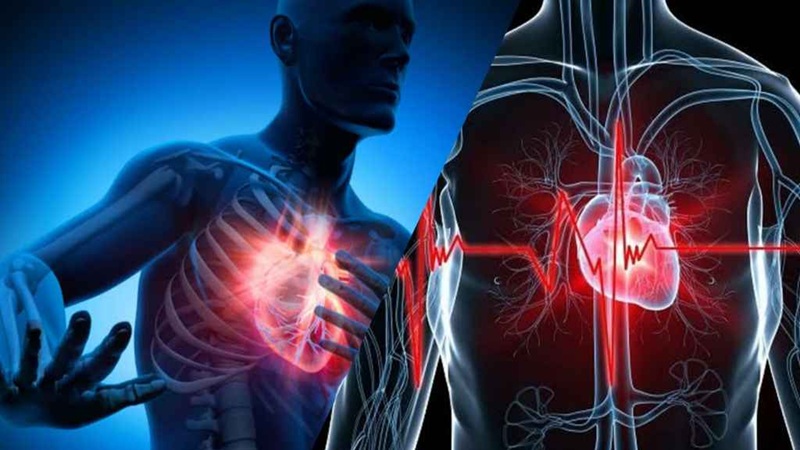
Many people think a heart attack strikes suddenly and fatally. But according to medical science, the body often sends silent warning signals at least a month in advance. These are called “prodromal symptoms.” Recognizing them early and seeking medical advice can save lives.
A recent study identified 12 common symptoms that may appear before a heart attack:
- Chest pain – seen in about 68% of patients
- Feeling of pressure or heaviness in the chest – 44% of patients
- Rapid or irregular heartbeat
- Shortness of breath
- Burning sensation in the chest (often mistaken for acidity)
- Unexplained fatigue (especially common among women)
- Dizziness or lightheadedness
- Nausea or stomach issues
- Anxiety or unexplained fear
- Sleep disturbances (waking up due to breathing problems)
- Swelling in the legs or ankles
- Pain in other parts of the body (arms, back, neck, or jaw)
Differences between men and women
Doctors note that symptoms often appear differently in women—for example, excessive fatigue, digestive problems, or pain in the back or jaw. This may lead to misdiagnosis or delays in treatment.
Why does the body warn early?
A heart attack occurs when blood flow to the heart is blocked. Plaque gradually builds up in the arteries, creating blockages. These blockages begin showing symptoms weeks before the actual attack.
Final, severe symptoms
Right before a heart attack, intense chest pain, heavy sweating, breathing difficulty, and sharp pain in the chest, jaw, or back may occur. At this stage, immediate medical help is crucial.
Doctors emphasize: heart attacks do not always come suddenly. Persistent chest pain, unexplained fatigue, sleep disturbances, or shortness of breath should never be ignored—seeking medical advice in time is the key to saving lives.